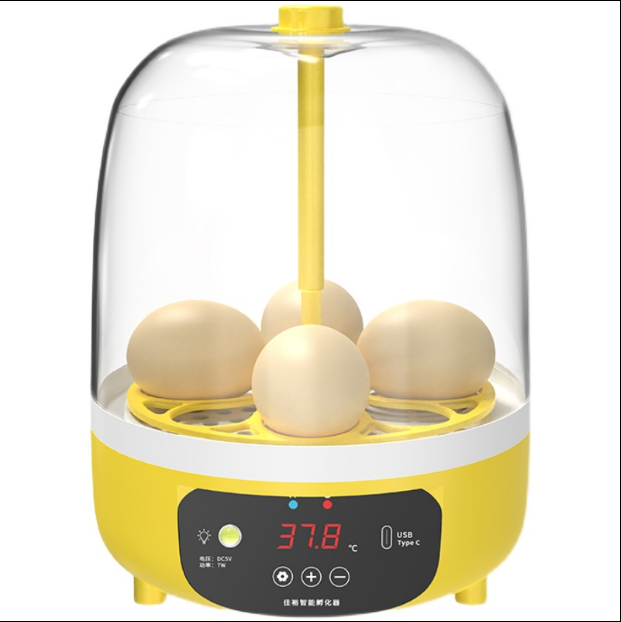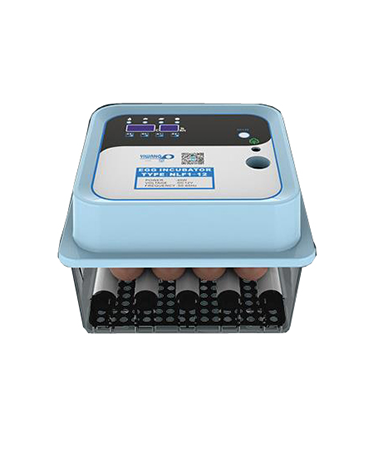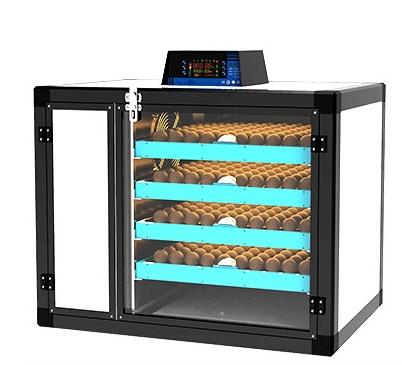
1. The incubator should be installed on the concrete floor, and the ground should be kept flat. During installation, the incubator should be slightly tilted forward (some models are backward) to facilitate the discharge of sewage during cleaning, and 2 to 3 meters of operating space should be left in front of the door.
2. The temperature of the incubator should be kept at 20 to 27 degrees Celsius. When the temperature is higher than 27 degrees Celsius or lower than 20 degrees Celsius, the installation of air-conditioning equipment or other measures should be considered. The humidity should be kept at about 50%. There should be good ventilation and ventilation conditions in the room. The waste gas from the incubator (especially the hatching machine) should be led to the outside by pipes. The incubator should be cleaned, washed, painted and disinfected frequently.
3. After the installation of the complete machine, power on and test the machine, check whether the temperature and humidity control system is normal, and adjust the temperature according to the requirements. It is also necessary to check whether the over-temperature and low temperature alarm system is faulty. The automatic timed egg turnover system should not be normal. It can be formally incubated after 1 to 2 days of operation and everything is normal.
4. Observe the temperature indicated by the thermometer on the door at any time during use. If there is any abnormal phenomenon, check the temperature control system in time to eliminate the fault.
5. With the growth of embryo age, the air inlet and exhaust port should be properly opened, and all should be opened at the later stage to ensure the normal development of the embryo needs oxygen, but the opening should not be too large at the earlier stage to avoid slow heating and waste of electric energy.
6. Pay attention to whether the egg turning angle meets the requirements and whether the timing is accurate. It is better to make all incubators turn eggs in the same direction for easy management. Make records every time you turn an egg.
7. It should be noted that the water in the water tank (tray) of the humidity control device should not be cut off. The gauze of the sensing element and the water box should be changed frequently. The gauze should be cleaned and re-installed after being contaminated by dirt. For incubators without automatic humidity control devices, warm water should be added to the water pan regularly and the number of water pans should be adjusted according to the requirements of different incubation periods on humidity to ensure the requirements of embryo development on humidity.
8. After each batch of hatching or hatching, the incubator or hatching machine should be thoroughly washed and disinfected once. Then check whether the mechanical part is loose or jammed, check the lubricating oil in the reducer, and remove dust, fluff and other dirt on the electrical equipment. After power-on test run for a period of time, adjust the temperature and humidity, and then incubate the next batch.